
Local stroke survivor marks recovery with gruelling Peaks challenge
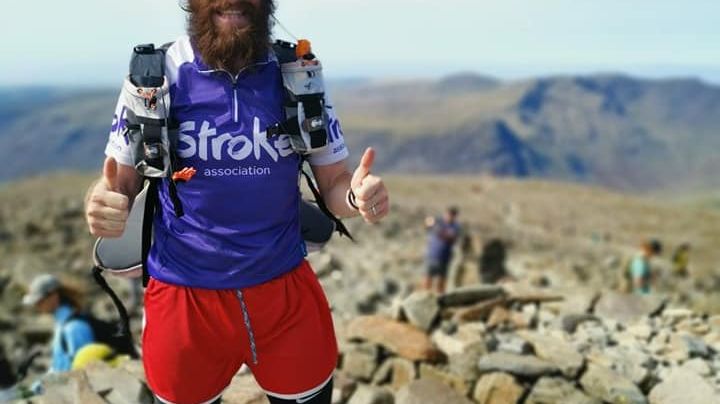
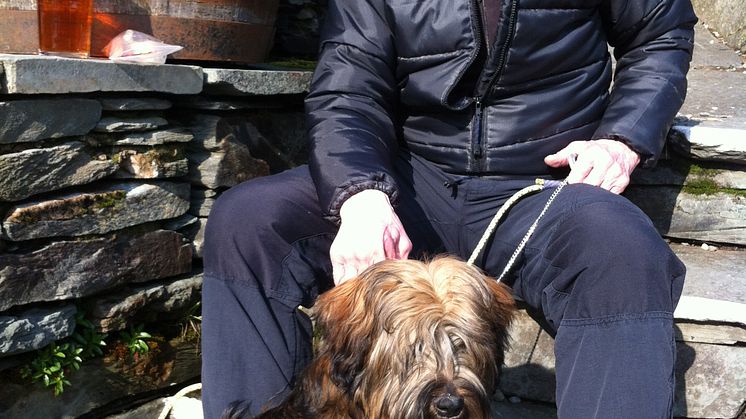
A High Peak stroke survivor has raised almost £1,500 for the Stroke Association, by climbing all 214 Wainwright Peaks in the Lake District, after having to learn how to walk again.
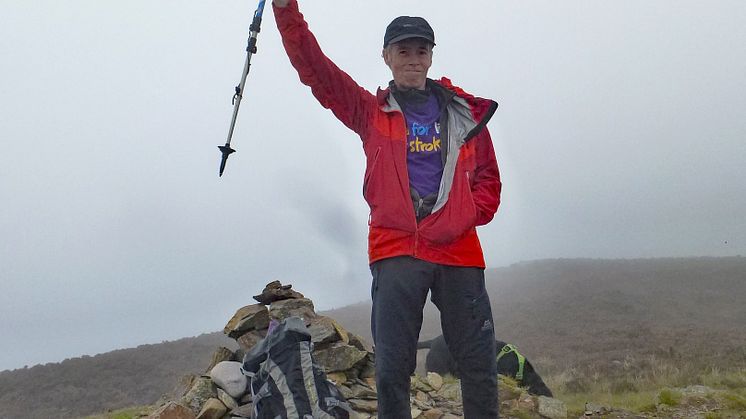
A High Peak stroke survivor has raised almost £1,500 for the Stroke Association, by climbing all 214 Wainwright Peaks in the Lake District, after having to learn how to walk again.
More than four out of five (85%) stroke survivors have reported being told that their recoveries would be limited to within the first year after their stroke according to a survey(i) conducted by the Stroke Association pre-Covid-19.

More than four out of five (85%) stroke survivors have reported being told that their recoveries would be limited to within the first year after their stroke according to a survey(i) conducted by the Stroke Association pre-Covid-19.
More than four out of five (85%) stroke survivors have reported being told that their recoveries would be limited to within the first year after their stroke according to a survey(i) conducted by the Stroke Association pre-Covid-19.
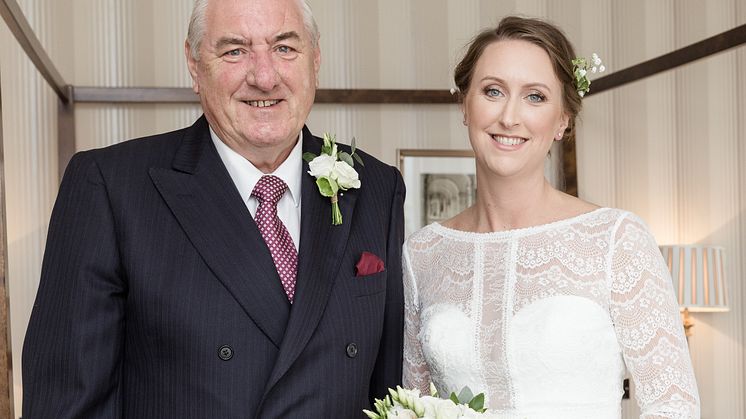
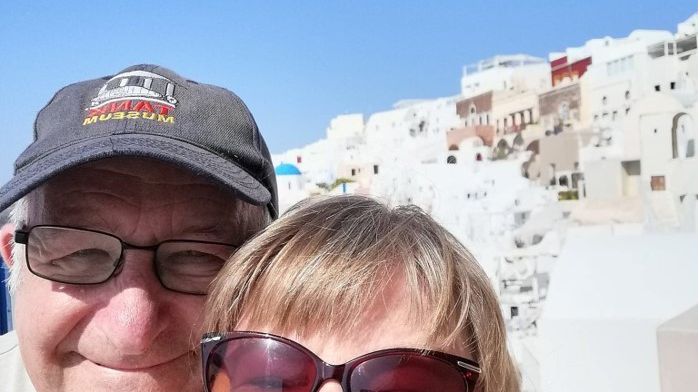
Paul Haworth, 58 from Clitheroe, is using the launch of his first fiction book, Insurrection, to raise funds for the Stroke Association, inspired by his wife Lynne.
More than four out of five (85%) stroke survivors have reported being told that their recoveries would be limited to within the first year after their stroke according to a survey(i) conducted by the Stroke Association pre-Covid-19.
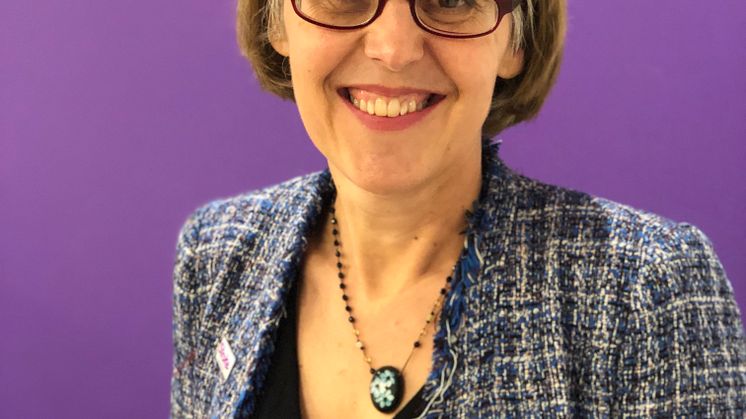
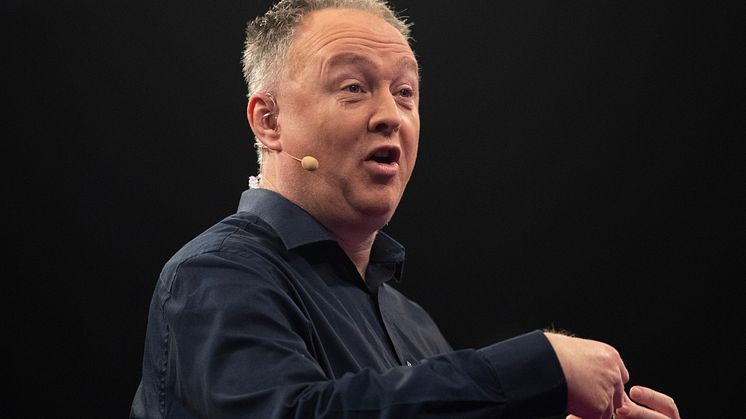
Rob Pope, 42, from Croxteth has completed a gruelling three and a half days of fundraising for the Stroke Association with his Summit2Summit challenge, which saw him climb two peaks and run an incredible 185 miles.
Delayed calls to 999 due to concerns around Covid-19, unavailable treatments and cancelled rehabilitation therapies caused by the pandemic has left tens of thousands of stroke survivors with avoidable, unnecessary disability, exacerbated mental health problems and has taken a devastating toll on stroke survivors and their families.
Delayed calls to 999 due to concerns around Covid-19, unavailable treatments and cancelled rehabilitation therapies caused by the pandemic has left tens of thousands of stroke survivors with avoidable, unnecessary disability, exacerbated mental health problems and has taken a devastating toll on stroke survivors and their families.
Delayed calls to 999 due to concerns around Covid-19, unavailable treatments and cancelled rehabilitation therapies caused by the pandemic has left tens of thousands of stroke survivors with avoidable, unnecessary disability, exacerbated mental health problems and has taken a devastating toll on stroke survivors and their families.
Delayed calls to 999 due to concerns around Covid-19, unavailable treatments and cancelled rehabilitation therapies caused by the pandemic has left tens of thousands of stroke survivors with avoidable, unnecessary disability, exacerbated mental health problems and has taken a devastating toll on stroke survivors and their families.

The Stroke Association’s new ‘Stroke Recoveries at Risk’ report has revealed that the reduction of some vital stroke aftercare is causing unnecessary and avoidable problems for stroke survivors in Wales.