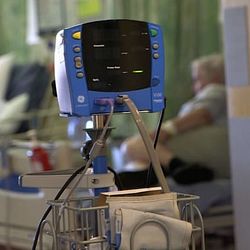

Tens of thousands of emergency patients waited nearly two hours for ambulances
"We’re now at a crisis situation where every ambulance service is on the highest level of alert."
"We’re now at a crisis situation where every ambulance service is on the highest level of alert."
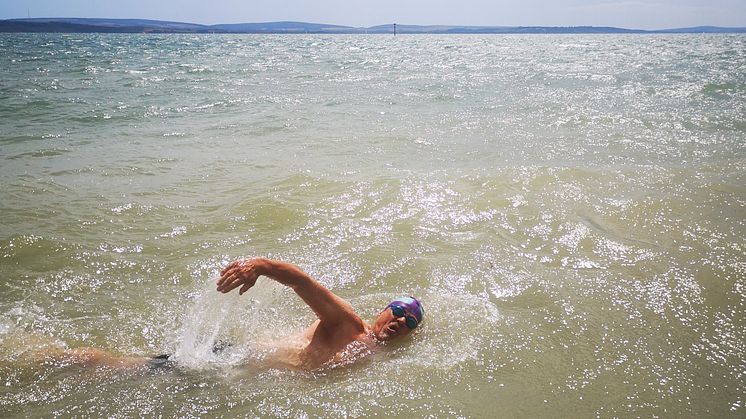
A 60-year-old Winchester man is attempting a unique double challenge on land and sea to raise money for the Stroke Association.
Mark Ryan will attempt to swim from the mainland to the Isle of Wight.
Then after a day's rest he will hike the 26 miles between Salisbury and Winchester along the Clarendon Way.
It would be a formidable fundraising challenge even for someone still in their phys
The fear of being unable to communicate has been laid bare in a new survey(i) of over 2,000 people across the UK. Research conducted by the Stroke Association reveals that nearly half of the respondents (41 %) can’t imagine living in a world where they couldn’t communicate. A world without communication is an everyday reality for the 350,000 stroke survivors across the UK (ii) like Jessie McConke
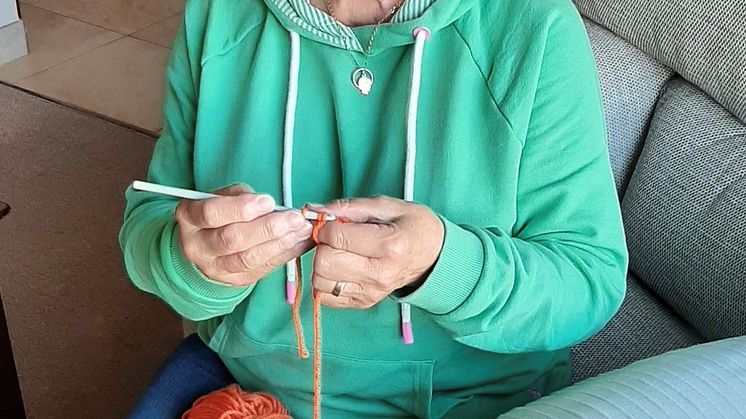
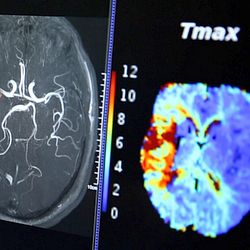
The lack of 24/7 availability of interventional neuroradiology services is resulting in thousands of eligible stroke patients missing out on game changing stroke treatments, like thrombectomy.
Almost half of people in Wales don’t know that stroke is the fourth biggest killer in the UK, according to new research by the Stroke Association1. Read more here: Nid yw bron i hanner y boblogaeth yng Nghymru yn gwybod mai strôc yw’r lladdwr mwyaf ond tri yn y Deyrnas Unedig, yn ôl ymchwil newydd gan y Gymdeithas Strôc1. Darllenwch fwy yma
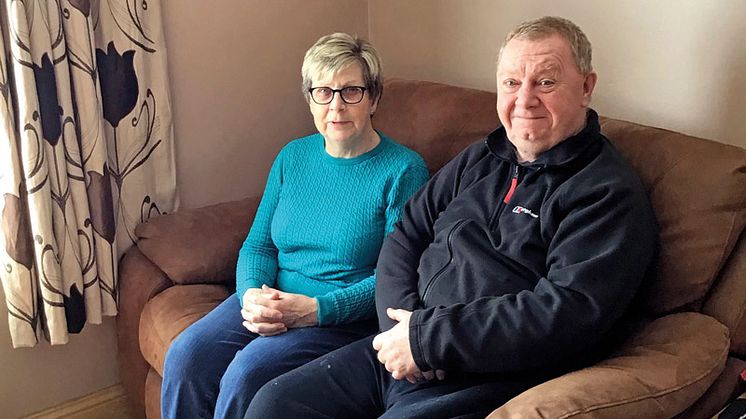
More than half of the NI public don’t know that stroke is the fourth biggest killer in the UK, according to new research by the Stroke Association1. The charity has released the survey findings as it calls for vital support to fund more research into the devastating condition.
A stroke happens when the blood supply to part of the brain is cut off, killing brain cells. The charity’s latest stud
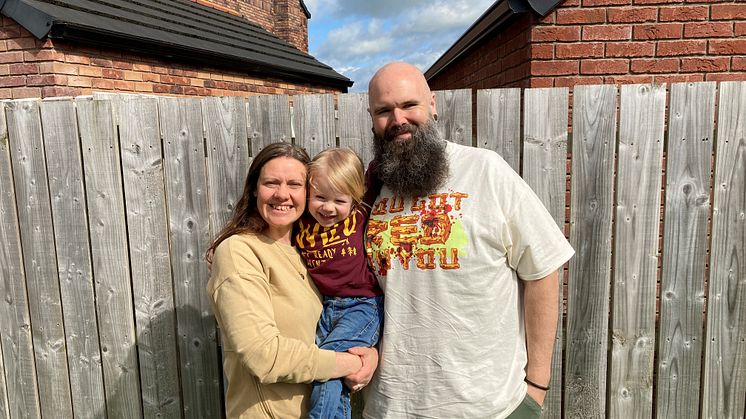
Leading British Doctor - Dr Hilary Jones, is backing the Stroke Association’s campaign to urge the public to get checked for ‘silent’ health conditions that can cause a deadly stroke. New data reveals over half (53%) of stroke patients have high blood pressure and one in six (16%) have an irregular heart rhythm known as atrial fibrillation [1]. Both conditions are often without symptoms. The

Anna Richardson: When I found out that up to 90% of strokes can been prevented by making healthier lifestyle choices, it certainly gave me the nudge I needed to overhaul my own lifestyle.
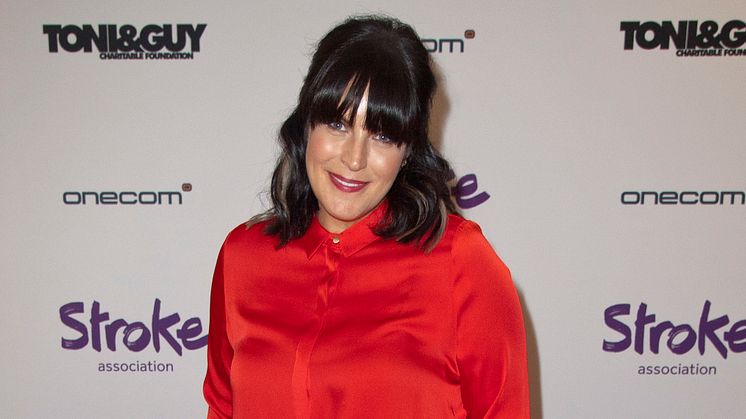
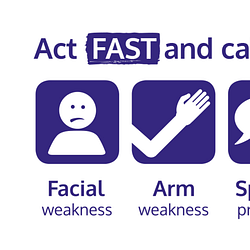
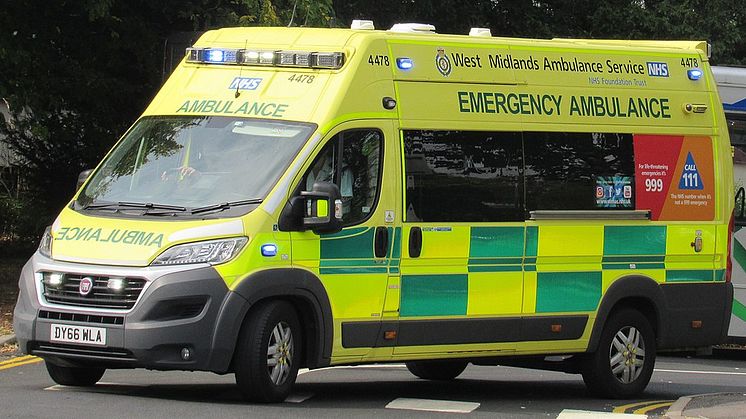
More than 40,000 who called 999 in December 2021 waited nearly two hours for an ambulance with an emergency condition such as stroke, today’s figures show.
30% of stroke survivors under the age of 60 say having a stroke cost them their job, one in ten say it caused their relationship to end and 6% even lost their home Over half of stroke survivors say they have never emotionally recovered from their stroke But a quarter felt first signs of hope less than a week after having a stroke – although one in seven have not felt any hope since it happened
The charity’s new report - the first UK-wide project to map research priorities across the entire stroke care and treatment pathway - reveals where research can address the issues holding stroke survivors back from rebuilding their lives after a devastating stroke.
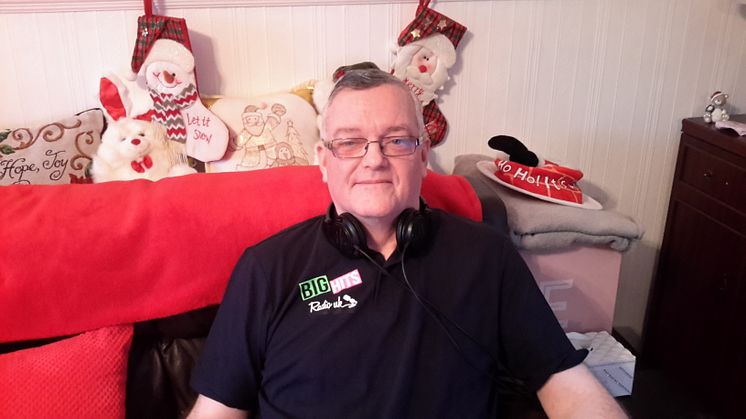
Garry Rees, aged 56 and a computer engineer from Tredegar, Wales, had a stroke in December 2019 resulting in him spending Christmas
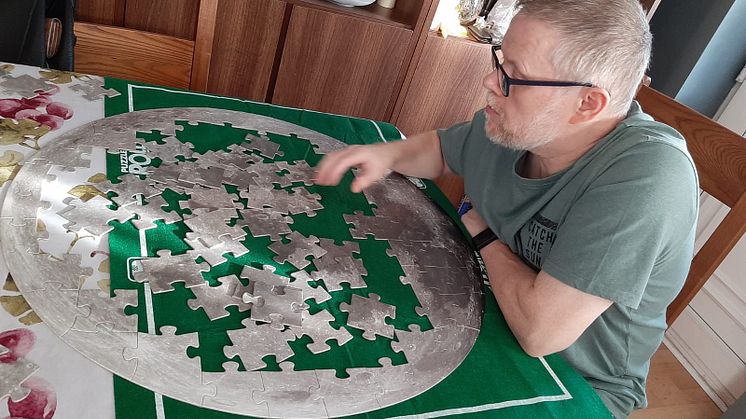
The Stroke Association, the UK’s leading stroke charity, is announcing the top 10 priorities for stroke research, uncovered by a rigorous study involving stroke survivors like Thomas McGarvey from Lambeg, carers and health and social care professionals in stroke.
