Press release —
Surrey woman who had stroke aged 18 supports charity’s call that ‘survival is not enough
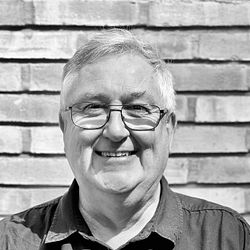
A woman from Surrey who had a stroke when she was just 18 is sharing her story ahead of World Stroke Day, as part of a national campaign to spotlight the fragility of the brain and the life-changing impact a stroke can have on people of all ages.
Mia Bruce, who lives in Egham, is raising awareness of stroke as part of the Stroke Association’s ‘Survival Is Not Enough’ campaign.
Mia was a fit and healthy teenager with dreams of becoming a professional dancer, when she collapsed during a dance class in January 2019.
She was training five days a week, from 9am until 6pm, learning different styles of dance and working towards her dream of becoming a professional dancer.
Mia said: “I never in a million years thought it would ever happen to me. Out of nowhere, I just felt the urge to lay down. I laid down, and then I sort of just blacked out.”
The ambulance team initially thought Mia had simply collapsed during dance and might have been tired. Doctors carried out a CT scan at King's College Hospital in London and discovered two clots in her brain. Mia had had a stroke and she needed emergency surgery, a thrombectomy.
Tests later revealed that the stroke had been caused by revealed a small hole in her heart, something that had gone undetected since birth, and she later underwent surgery to close it. She also had antiphospholipid syndrome, or APS, a condition which affects the way her blood clots.
She had lost movement on the entire right side of her body and her speech had been affected. Remarkably, she was discharged just six days after her stroke but her recovery was only beginning.
At an age when many young people are thinking about university, relationships, careers and what they want their future to look like, Mia was suddenly managing hospital appointments, medication, rehabilitation and the fear that what had happened could happen again.
Mia's speech began to return within a few days of her stroke. She received speech therapy while she was in hospital, but the process was frustrating.
Even years later, Mia says she can still struggle with her speech, particularly when she is tired. “I sometimes stutter, and can develop a lisp when I’m fatigued. The difference now though is that my brain processes information much more quickly than it did in the months and years immediately following my stroke.”
Mia's walking returned relatively quickly but her right arm was different. It took much longer to regain movement and coordination, particularly in her fingers.
Today, Mia has no major physical problems and continues to dance three or four times a week but recovery hasn't meant that everything went back to exactly how it was before.
One of the biggest challenges Mia experiences now is fatigue. She can dance several times a week, work full-time and live an active life, but she still gets tired. Her experience has also taught her that looking well doesn't mean that someone hasn't been affected by stroke.
After leaving hospital, Mia remembers people telling her, “You don't look like you've had a stroke.” For Mia, those comments were difficult. “You don't need to look like you've had a stroke.” She believes this is something more people need to understand.
The physical recovery was only one part of Mia's experience. At 18, she was also trying to understand what her stroke meant for her future.
“I honestly thought, right, I'm never going to be able to dance again.” She also worried that she would never be able to live what she described as a “normal” life. “I thought that this was sort of the end of my story.” The emotional impact of stroke was significant.
Most of the focus was on physical and speech therapy. Looking back, she feels strongly that the emotional impact of stroke needs to be recognised.
“At first I was very, very upset,” said Mia. “I've definitely come to terms with the fact that this happened to me,” she says. “I can't go back and change it. I couldn't have stopped it from happening.”
Mia had support from the Stroke Association’s Surrey Stroke Recovery Service. She remembers being confused, angry and upset and says it helped to have someone listen to her and help her understand what had happened. “It definitely did help.”
One of the things Mia found particularly difficult was finding people her own age who had experienced stroke. She wanted to talk to someone who understood what she was going through but many of the stroke support groups she came across were predominantly made up of older people.
Her own experience has strengthened her desire to help other young people who may suddenly find themselves facing something similar.
‘It can happen to anyone’ Mia wants people to understand that stroke isn't defined by age. “I want people to understand that a stroke can happen to anyone. It's not classified by age, gender, race, nothing. It can happen to anyone, anytime, anywhere.”
She also wants people to understand the importance of recognising stroke symptoms, regardless of how old the person experiencing them is. When she spoke to her friends after her stroke and asked whether they would know how to recognise a stroke, many didn't.
Although Mia's stroke changed the path she originally imagined for herself, it didn't take dance away. She still dances three or four times a week. She also built a career outside of dance, first working in a five-star hotel spa reception before moving into global mobility.
In her current role, she helps employees relocate around the world, supporting areas including home searches, immigration, school searches and household goods shipments.
In 2025, Mia decided to take on something that would have once seemed almost impossible; she ran the London Marathon and raised £3,000 for the Stroke Association.
For someone who once wondered whether she would ever dance or live a normal life again, crossing the London Marathon finish line was a powerful milestone. “I don't let my stroke define me.”
For Mia, being able to share her experience is now part of her recovery. “If I'm able to provide help to even one person, if they're going through exactly what I've gone through, then that's great.
“Life gets better. It takes time, patience and strength. Surrounding yourself with the people you love and you will get there.”
In the UK, someone has a stroke every five minutes
In the UK, someone has a stroke every five minutes, with 1.4 million people currently living with a brain injury caused by stroke. More than 85,000 people survive a stroke every year, but recovery is only the beginning. Many face a long and gruelling journey adjusting to the trauma and rebuilding their lives, often left without the essential long-term rehabilitation and support they need.
Despite the life-changing impact of stroke, awareness of its severity and the long-term challenges survivors face remains worryingly low amongst the general public.
Despite one in four strokes happening to people of working age, a third of Brits aged 18-34 (34%) and almost a quarter of 35-44 year olds (24%) believe they’re too young to have one.
The knowledge gap extends to the impact of stroke, with almost a third (32%) unaware that it is a brain injury and nearly one in five (19%) not realising it can cause long-term difficulties with walking, talking, seeing or swallowing. Almost a quarter (22%) underestimate the road to recovery believing it takes just a few months or less.
The Stroke Association’s campaign ‘Survival is Not Enough’ aims to drive awareness of the impact of stroke and support a two-part documentary series commissioned by Channel 4, in partnership with the charity: ‘Trauma: My Broken Brain’. The series follows three young adults, Dan, Saskia and Dec, through the fight of their lives after a life-threatening stroke. ‘Trauma: My Broken Brain’ is available to stream on Channel 4.
Nick O’Donohue, the Stroke Association’s South East associate director, said: “This new research shows that people still don’t understand a stroke happens in the brain and wrongly believe a stroke only affects older people.
"A stroke isn't only a medical emergency from which you either die or survive, but instead the start of a long and gruelling journey to rebuilding a life.”
1.4 million people are living with a brain injury caused by stroke. Help the Stroke Association change what comes next: www.stroke.org.uk/brain
Topics
Regions
- Over 85,000 people survive a stroke every year in the UK, but surviving a stroke is just the start of a long and gruelling recovery journey.
- Mums, dads, grandparents, young people, even children – anyone can have a stroke, and its impact is traumatic.
- Brain injury, caused by a stroke, can leave survivors unable to move, see, speak or even swallow.
- The Stroke Association is the leading charity in the UK providing life-long support for all stroke survivors and their families. We provide tailored support to tens of thousands of stroke survivors each year, fund vital scientific research, and campaign to secure the best care for everyone affected by stroke.
- Anyone affected by stroke can visit stroke.org.uk or call our dedicated Stroke Support Helpline on 0303 3033 100 for information, guidance or a chat when times are tough.
About the Stroke Association